
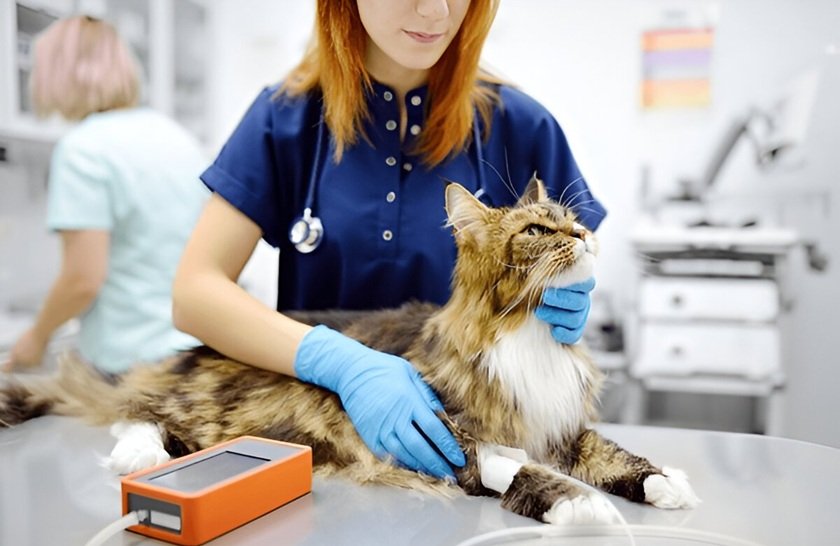
When you note your cat peeing blood, it is able to be terrifying. Our tomcat friends can’t tell us what’s incorrect, so it’s as much to us to recognise the signs. Blood in a cat’s urine (a circumstance referred to as hematuria) is never ordinary — it’s a crimson flag that something severe could be taking place internally in their body. Whether it’s because of a contamination, urinary stones, or strain, early detection and treatment can keep your puppy’s lifestyles.
Table of Contents
Let’s dive deep into the causes, signs and symptoms, analysis, and effective treatments for cat peeing blood, and discover ways to prevent this circumstance from returning.
Understanding What It Means When Your Cat Is Peeing Blood
If your cat is peeing blood, you may see crimson, red, or brownish urine stains in the litter field. Sometimes, the blood might not be visible to the naked eye, but your cat may still show different signs and symptoms, like common urination or crying in pain while peeing.
Veterinarians seek advice from this as hematuria, which can stem from urinary tract infections (UTIs), bladder irritation, crystals, stones, or tumours. The secret is to no longer panic — but to behave speedily.
Common Causes of Cat Peeing Blood
There are several motives why your cat is peeing blood. Some are moderate and without problems treatable, at the same time as others are greater critical. Here are the maximum common causes:
1. Feline Lower Urinary Tract Disease (FLUTD)
FLUTD is one of the most unusual reasons for a cat peeing blood. It’s an umbrella time period for conditions that have an effect on the bladder and urethra. Causes may encompass infection, blockages, or blockages. Male cats are specifically at risk when you consider that their urethra is narrower.
Symptoms of FLUTD:
- Frequent journeys to the muddle field
- Straining to urinate
- Crying in pain
- Licking the genital area excessively
- Peeing outdoor the muddy field
2. Urinary Tract Infection (UTI)
UTIs occur whilst bacteria invade the urinary tract. Female cats are extra prone to UTIs, however males can get them too. If left untreated, the contamination can journey to the kidneys.
Signs of UTI in cats:
- Blood in urine
- Strong urine odour
- Increased frequency of urination
- Lethargy or lack of appetite
A simple urine have a look at on the vet’s office can confirm a UTI, and antibiotics commonly clear it up within every week or .
3. Bladder Stones or Crystals
Mineral crystals can shape in a cat’s bladder, demanding the bladder wall and causing bleeding. When those crystals clump collectively, they devise bladder stones — another primary purpose of cat peeing blood.
Bladder stones can block urine go with the flow, that is a scientific emergency. If your cat can’t urinate at all, are trying to find immediately veterinary help.
Treatment:
- Special prescription diets that dissolve crystals
- Increased water intake
- Surgery (in excessive cases)
4. Stress and Anxiety
Believe it or not, emotional pressure can cause cat peeing blood. Cats are exceedingly sensitive to changes of their environment — like shifting homes, new pets, or maybe changes in muddle manufacturers.
Stress-triggered cystitis, also known as idiopathic cystitis, causes bladder irritation without contamination. It’s one of the maximum commonplace reasons of blood in cat urine.
How to lessen pressure:
- Keep a regular routine
- Provide safe hiding spots
- Use pheromone diffusers
- Ensure plenty of smooth water and clutter boxes
5. Kidney Disease
Older cats are more likely to expand kidney disorder, that can from time to time result in cat peeing blood. The kidneys won’t feature properly, allowing pollutants to accumulate in the bloodstream.
Symptoms encompass:
- Weight loss
- Vomiting
- Increased thirst
- Lethargy
Early prognosis through blood tests and urinalysis is vital to dealing with kidney disease.
6. Tumors or Cancer
In uncommon instances, blood in cat urine can also suggest bladder or kidney tumors. These are extra commonplace in senior cats. Your vet may propose an ultrasound or X-ray to verify.
Treatment options:
- Surgery to take away tumors
- Chemotherapy or medicine
- Supportive take care of consolation
How Vets Diagnose Cat Peeing Blood
When you are taking your cat to the vet for cat peeing blood, they’ll begin with a bodily exam observed by several diagnostic assessments:
- Urinalysis – exams for blood, micro organism, and crystals.
- Urine culture – identifies bacterial infections.
- Blood check – evaluates kidney and liver characteristic.
- X-rays or Ultrasound – detects stones, tumors, or blockages.
These checks assist decide the basis reason so the vet can choose the proper remedy plan.
Treatment Options for Cat Peeing Blood
The remedy for cat peeing blood depends on what’s inflicting it. Here’s a breakdown of viable approaches:
1. Medication
- Antibiotics: For bacterial infections.
- Pain relievers or anti-inflammatories: To lessen soreness.
- Antispasmodics: To loosen up the bladder muscular tissue.
2. Dietary Changes
Prescription diets can help dissolve crystals, save you stones, and stability urinary pH levels. Wet meals is particularly helpful because it increases hydration.
3. Increased Hydration
Encourage your cat to drink greater water. Use a cat fountain — cats regularly decide jogging water. Add a bit of tuna juice to encourage ingesting.
4. Stress Reduction
Since pressure is a leading cause of idiopathic cystitis, a calm environment is essential. Use Feliway diffusers and create peaceful spaces wherein your cat feels secure.
5. Surgery
In extreme cases — including massive bladder stones or urinary blockages — a surgical procedure can be essential to repair urine go with the flow and take away obstructions.
How to Prevent Cat Peeing Blood
Prevention is always higher than therapy. Here’s how to reduce the risk of your cat peeing blood:
- Keep your cat hydrated. Always have clean water available.
- Feed a balanced diet. Wet meals help maintain urinary fitness.
- Clean litter bins every day. Cats may avoid dirty packing containers and preserve urine longer, increasing the threat.
- Reduce stress. Avoid unexpected adjustments and offer hiding spaces.
- Regular vet checkups. Especially for senior cats or people with pre-existing urinary issues.
When to See a Vet Immediately
If your cat:
- Is not able to urinate
- Cries in pain even while urinating
- Has bloody or very darkish urine
- Shows lethargy or stops ingesting
➡️ Don’t wait. A blocked urinary tract can become deadly within 24–48 hours. Immediate veterinary care is important.
Home Care Tips for Cats Recovering from Peeing Blood
If your vet has prescribed a remedy and your cat is improving, right here’s a way to assist them at domestic:
- Provide a quiet resting area away from noise or other pets.
- Follow medicinal drug schedules strictly.
- Offer moist meals and sparkling water to assist in flushing the bladder.
- Avoid strain triggers — consistency is key.
- Monitor the muddle container closely for changes in urine colour or frequency.
The Emotional Side: How Cat Owners Feel
Seeing your cat peeing blood isn’t simply medically alarming — it’s emotionally distressing. You may also feel helpless or guilty, wondering what went wrong. Remember, this isn’t your fault. Cats disguise their ache well, so troubles regularly go neglected till they become extreme. The pleasant issue you can do is live calmly, act fast, and comply with your vet’s guidance.
Frequently Asked Questions (FAQs)
1. Why is my cat peeing blood, however, performing every day?
Sometimes, cats continue eating and playing even if they’re in pain. If you are aware of blood in urine, don’t forget about it — it can still suggest a urinary contamination or bladder inflammation.
2. Can a strain certainly motivate a cat to pee blood?
Yes. Stress-associated cystitis is common in cats. Loud noises, new pets, or unexpected routine modifications can trigger it.
3. How can I help my cat drink more water?
Use a water fountain, location a couple of bowls across the house, or upload a chunk of bird broth (without salt) to their water.
4. How long does it take for blood in a cat’s urine to clear up?
If handled promptly, symptoms frequently improve within a few days; however, complete recuperation may also take a week or more, depending on the reason.
5. Can a weight loss program on my own restoration of cat’s blood peeing?
Diet can help prevent recurrence and control moderate crystal issues; however, it’s not a treatment for infections or stones. Always consult your vet first.
6. Is cat peeing blood dangerous?
Yes, it can be life-threatening, particularly if as a result of a blockage. Immediate vet interest is important.
Final Thoughts
Spotting your cat peeing blood can be one of the most stressful moments for any pet owner. However, understanding the reasons and seeking brief veterinary help could make all the difference. Most cats get better fully with the right care, hydration, and stress-free surroundings.
Read More:-