Excessive Licking in Dogs: If you’re a puppy discern, you’ve probably discovered your furry buddy licking themselves, your hands, or maybe the floor now and then. A little licking is every day—it’s how puppies smooth themselves and show affection. But while it becomes excessive licking with the useful resource of canine, it is probably a signal that something’s wrong.
Table of Contents
This conduct can stem from several motives, starting from tension to pores and pores and skin infection. Understanding why your dog licks excessively is step one to helping them experience higher levels and ensuring their well-being.
In this positive manual, we’ll find out the motives, treatments, home treatments, and prevention pointers for excessive licking with the resource of dogs, so you can take the proper action for your beloved puppy.
What Does Excessive Licking by a Dog Mean?
Licking is an instinctive behaviour for dogs. It’s their manner of grooming, exploring the sector, or maybe showing affection. However, whilst licking turns into consistent, repetitive, or directed closer to a particular vicinity, it indicates some component beyond routine conduct.
You are probably conscious of your dog:
- Licking their paws non-save you
- Constantly licking furnishings, partitions, or the floor
- Obsessively licking your palms or face
- Chewing or biting at their fur
If this persists for days or reasons, bald spots or pores and skin wounds, you’re in all likelihood managing excessive licking by using dog, which shouldn’t be overlooked.
Common Causes of Excessive Licking in Dogs
Understanding the foundation purpose facilitates you in resolving the trouble effectively. Let’s break down the most common reasons:
1. Allergies
Just like humans, dogs can be allergic to food, pollen, dirt, or perhaps grass.
Symptoms: Redness, itching, and constant paw licking.
If your canine licks the same spot over and over, allergies may be the culprit.
2. Skin Infections
Bacterial or yeast infections can motive pain, main to excessive licking by the canine.
Signs include: Foul smell, scabs, or greasy skin patches.
A vet can prescribe medicated shampoos or antibiotics to deal with it.
3. Parasites
Fleas, mites, or ticks regularly cause itching that ends in persistent licking.
Regular grooming and anti-flea remedies can help take away those pests.
4. Pain or Discomfort
If your dog abruptly starts licking one region—like a leg, hip, or paw—it could be due to damage or joint pain. Dogs instinctively lick wounds to appease themselves.
5. Anxiety or Stress
Behavioural motives are the numerous pinnacle reasons for excessive licking in canines.
Dogs lick themselves as a relaxing mechanism after they sense loneliness, boredom, or being demanding.
6. Boredom
When left on my own for lengthy durations without highbrow stimulation, dogs can also exhibit behaviour like over-licking to pass the time.
7. Digestive or Nausea Issues
If your dog licks the air, lips, or ground, it is able to suggest nausea or gastrointestinal pain.
Medical Reasons Behind Excessive Licking with the useful resource of the Dog
Sometimes, the reason may be deeper than behavioural or floor-degree troubles. Here are some scientific motives your vet would likely discover:
| Consult a veterinary behaviourist | Description | What You Should Do |
|---|---|---|
| Hormonal Imbalance | Thyroid issues can cause dry skin and itching | Get a thyroid test done |
| Neurological Disorders | OCD-like behavior leads to repetitive licking | OCD-like behaviour leads to repetitive licking |
| Pain (arthritis, injury) | Older dogs may lick joints due to arthritis | Give vet-prescribed pain relief |
| GI Issues | Licking caused by nausea or acid reflux | Adjust diet and use vet medicine |
If you suspect any of these, a vet visit is critical to determine the underlying reason and prevent further complications.
Behavioural Reasons for Excessive Licking in Dogs
While scientific reasons are common, behavioural licking is frequently omitted. Dogs might also develop repetitive licking behaviour because of emotional triggers.
1. Anxiety & Stress
Dogs can feel disturbed due to separation, loud noises, or adjustments in surroundings. Licking becomes a self-soothing mechanism. Try presenting calming toys or the usage of pheromone diffusers.
2. Attention-Seeking Behaviour
Sometimes your dog learns that licking receives your interest, in particular if you react each time they do it.
3. Lack of Stimulation
Dogs need high-brow and physical sports activities. When bored, they will seek popularity by licking devices, fur, or paws excessively.
Tip: A tired dog is a glad canine. Walks, interactive video games, or puzzle feeders can reduce such behaviour.
Home Remedies for Excessive Licking in Dogs
If the difficulty isn’t medical, you may try a few steady domestic remedies to control excessive licking in canines:
1. Apple Cider Vinegar Spray
Mix the same additives with water and apple cider vinegar. Spray it lightly at the affected place (avoid open wounds). It enables the reduction of itching and bacterial growth.
2. Coconut Oil Massage
Coconut oil moisturises dry pores and skin and acts as an anti-inflammatory agent. Gently rub a small amount on the itchy spots.
3. Change in Diet
Introduce an omega-3-rich food plan to reduce pores and skin dryness and hypersensitivity reactions. You can add fish oil dietary supplements after consulting your vet.
4. E-Collar or Cone
Use an Elizabethan collar to quickly prevent licking and allow the skin to heal.
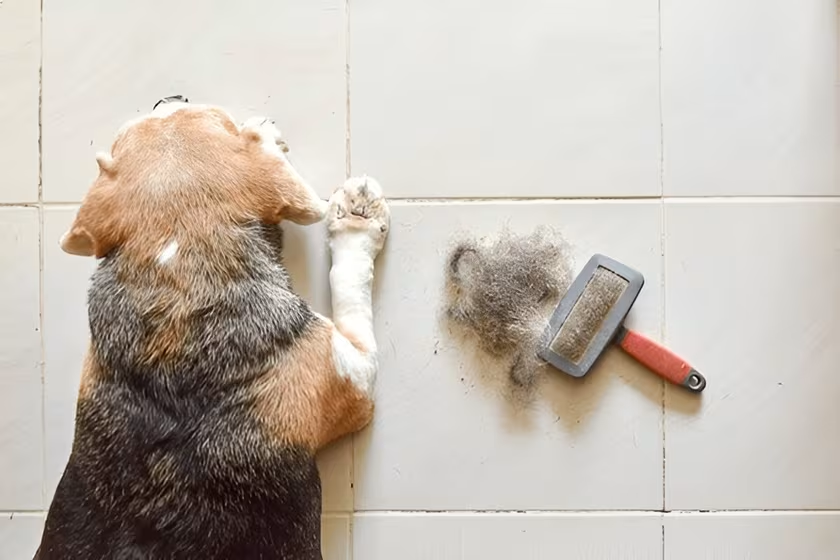
5. Regular Grooming
Keeping your canine’s coat smooth and free from mats reduces infection and forestalls excessive licking.
Training Tips to Stop Excessive Licking by means of the usage of a Dog
Behavioural training is important in case your canine’s licking has turn out to be an addiction.
1. Redirect Attention
When you are conscious licking, redirect your dog with toys or a quick activity consultation.
2. Reward Calm Behaviour
Use the best reinforcement—reward your dog once they stay calm and keep away from licking.
3. Increase Exercise
Daily walks, agility education, and highbrow video games release electricity and save you boredom-primarily based licking.
4. Use a “Stop” Command
Train your dog with a gentle “leave it” or “no lick” command. Be consistent and calm.
5. Consult a Trainer
If home education fails, keep in mind expert help from an authorised canine behaviourist.
Preventing Excessive Licking by way of Dogs
Prevention is always higher than therapy. Follow the ones smooth steps to keep your pet wholesome and happy:
- Maintain an everyday grooming timetable
- Feed a balanced, vet-permitted weight loss plan
- Provide each day with playtime and walks
- Regularly test for fleas, ticks, or pores and skin problems
- Visit the vet for everyday checkups
Also, recollect that every canine is distinct. What works for one may not paintings for another, so patience is fundamental.
When to See a Vet for Excessive Licking in a Dog
Visit your vet straight away if:
- Your dog’s licking reasons redness, wounds, or bleeding
- They’ve misplaced fur in mainly areas
- You look at limping or swelling
- They’re licking and whining at the same time
- The behaviour commenced all at once and worsens quickly
Early detection can prevent infections and help your canine recover faster.
Vet-Recommended Treatments
Depending on the analysis, your vet may additionally recommend:
- Antihistamines or anti-allergic medication
- Antibiotics for pores and pores and skin infections
- Medicated shampoos for infection
- Diet adjustments for food hypersensitivity reactions
- Behavioural treatment if anxiety is the reason
A mixture of scientific and behavioural treatment normally brings the fine effects.
Real-Life Example
A pup owner named Riya discovered her golden retriever was constantly licking his paws. Initially, she idea it would become grooming, but it has been given worse through the years. The vet determined a yeast infection because of damp paws and prescribed a medicated shampoo and antifungal cream.
Within weeks, her dog’s licking had reduced substantially. This suggests that immoderate licking by way of dogs frequently requires timely attention and a balanced approach.
Frequently Asked Questions
1. Why does my dog lick the ground or air again and again?
It may additionally indicate nausea, anxiety, or digestive discomfort. If it keeps, go to a vet.
2. Can excessive licking with the use of a resource cause wounds?
Yes. Persistent licking can result in “lick granulomas,” which might be painful pores and skin sores that need sanatorium treatment.
3. How do I prevent my dog from licking his paws continuously?
Clean paws often, look for hypersensitive reactions or ticks, and distract your canine with play or chunk toys.
4. Is licking a sign of love or pressure?
Occasional licking indicates affection; however, excessive licking by a dog regularly points to strain or inflammation.
5. Should I use a cone to keep my dog from licking?
Yes, quick. A cone allows recovery; however shouldn’t update, finding the actual cause.
Final Thoughts
A little licking is normal; however, excessive licking by way of the usage of dog is usually a red flag. It might propose allergies, pain, anxiety, or boredom. The high-quality method is to have a look at your puppy intently, become aware of the motive, and take appropriate action—whether via home care, education, or a vet go to.
Read More:-